Category: Spend

Things worth spending money on—and things that aren’t. Honest product reviews, useful purchases, money-saving ideas, budget-friendly finds, splurges worth making and everyday products we actually use.

  • What We Actually Spent to Make Our Open Floor Plan Feel Like Home

    What We Actually Spent to Make Our Open Floor Plan Feel Like Home

    When we moved into our current home, we knew we wanted to approach furnishing it differently.

    In our previous home, we bought furniture piece by piece as we needed it. There was nothing necessarily wrong with that, but over time, the rooms didn’t feel as cohesive as we wanted them to. Each purchase made sense on its own, but the house never quite came together the way we’d pictured.

    This time, we decided to be more intentional.

    As we prepared to move, we sold our previous furniture and planned for new furnishings as part of our moving expenses. We wanted a warm, comfortable, organic-modern feel, with pieces that worked together instead of making each room feel like a separate project.

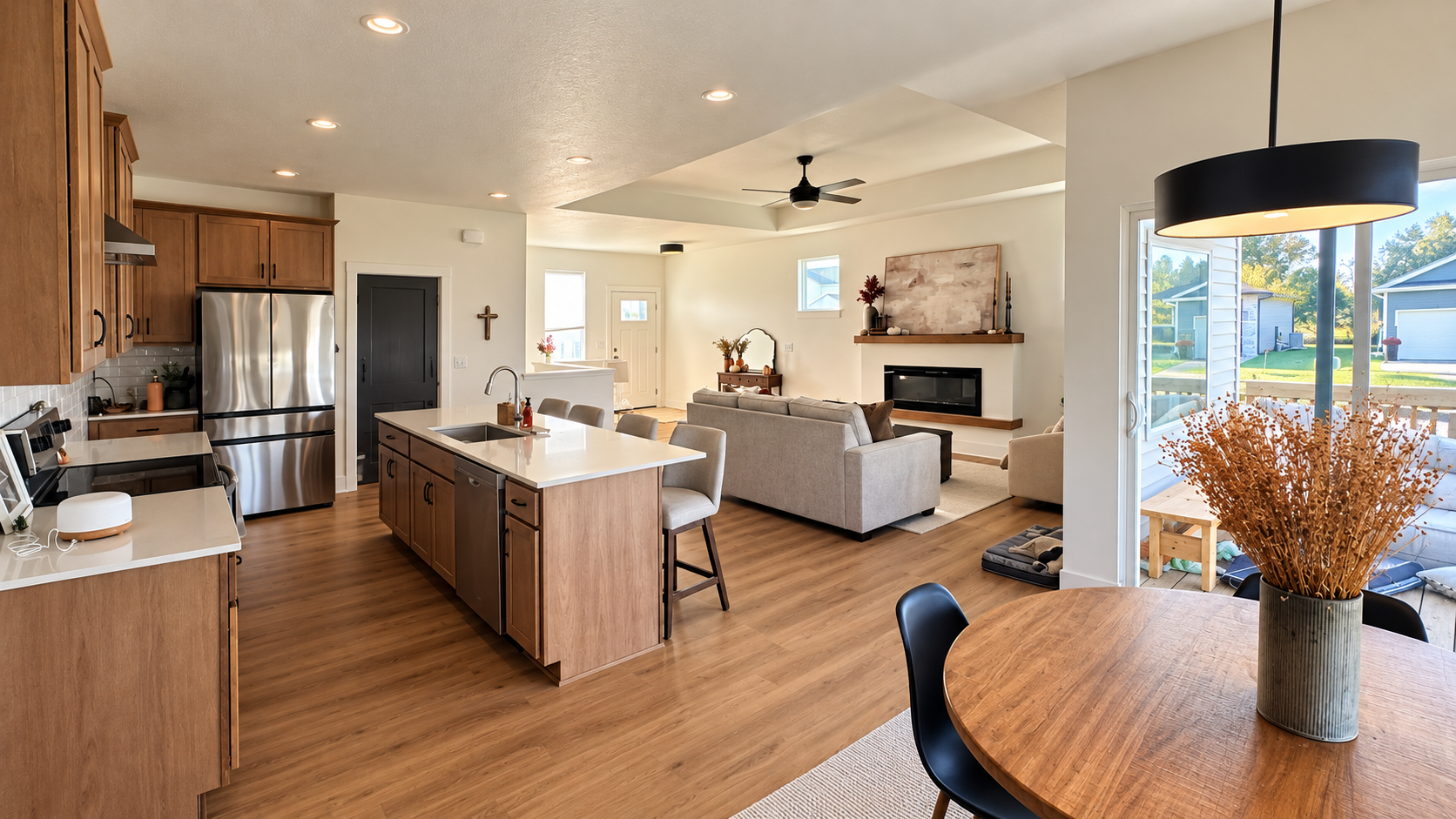
    Our living room, dining area, and kitchen island all connect in one open floor plan, so the decisions we made in one area affected the others.

    We also wanted a home that felt like us. A place where people could gather, where our meaningful family pieces had a place, and where we could relax without worrying about everything looking perfect.

    So, what did we actually spend?

    The purchases included in this breakdown totaled approximately $5,086. That’s real money, and I’m not going to pretend otherwise. But the more interesting part is how we decided where to spend, where we found deals, and what we learned along the way.

    Why We Approached It Differently This Time

    Our biggest lesson from the last house was that buying furniture one piece at a time doesn’t always create the overall look you’re hoping for.

    This time, we thought about the connected spaces as a whole. We considered colors, textures, comfort, and how we wanted the rooms to feel when we were spending time together.

    That didn’t mean buying everything from one store or choosing the most expensive option. It meant having a general vision and trying to make thoughtful decisions within our budget.

    Some things were worth spending more on. Other purchases were opportunities to save. And some things we already owned were worth keeping.

    That balance became the foundation for furnishing the space.

    The Living Room: Comfort Was Worth Prioritizing
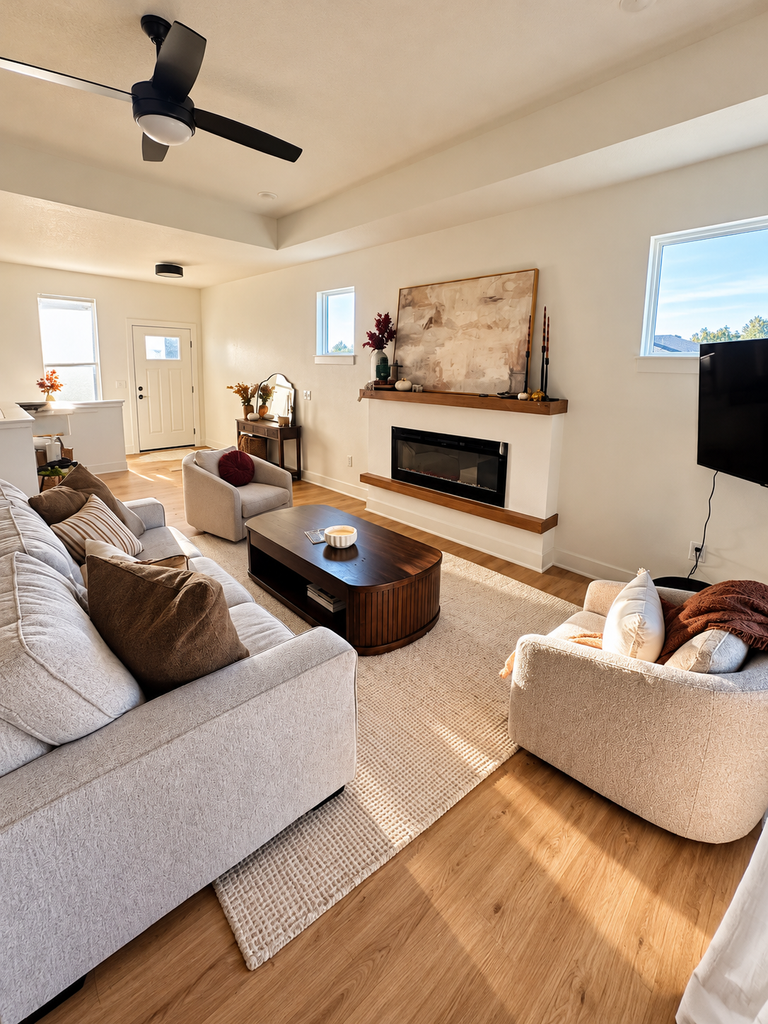
    The living room was one of the biggest parts of the investment because we wanted it to feel comfortable and welcoming, not just look good in a photograph.

    The West Elm Swivel Chairs

    Our two West Elm Imogene swivel chairs in bouclé were one of the bigger purchases: $2,115 for both chairs.

    We decided to splurge a little here because comfort mattered to us. We wanted chairs that felt good to sit in and that we’d genuinely enjoy using—not just chairs that looked nice in the room.

    But that decision didn’t happen in a vacuum. We found such a good deal on our sleeper sofa that it gave us more flexibility to spend on the chairs. If we’d paid more for the couch, we might have made a different decision.

    That’s something I’ve learned about furnishing a home: sometimes one good deal gives you room to spend a little more somewhere else. It’s not about making every purchase the cheapest option. It’s about deciding what matters most to you and making the overall budget work.

    The Sleeper Sofa

    We found an Ashley Larimer queen sleeper sofa in stone for about $350.

    Finding a sofa at that price made a real difference in how we could allocate our budget. It also gave us a practical option for accommodating overnight guests without dedicating an entire room to a guest bed.

    This was a good reminder that a lower price doesn’t automatically mean you have to settle for something that doesn’t work for your home.

    The Coffee Table

    We spent approximately $500 on an Ashley Korestone lift-top coffee table with casters.

    We wanted something that fit the room while also serving a purpose. The lift-top design adds functionality, and the casters make it easier to move around when we need to adjust the space.

    When you’re furnishing a home, practical features matter just as much as appearance. A piece can look good, but if it doesn’t work for the way you live, you’re probably not going to love it for long.

    The Living Room Rug

    We also spent about $500 on a large rug from Homemakers.

    The living room is connected to the rest of the open floor plan, so the rug helps define that area without putting up a wall or visually separating it from the dining room and kitchen.

    In an open space, each area needs to feel distinct enough to serve its purpose while still working with everything around it. The rug helped us accomplish that.

    The Kitchen Island: Finding the Right Bar Stools
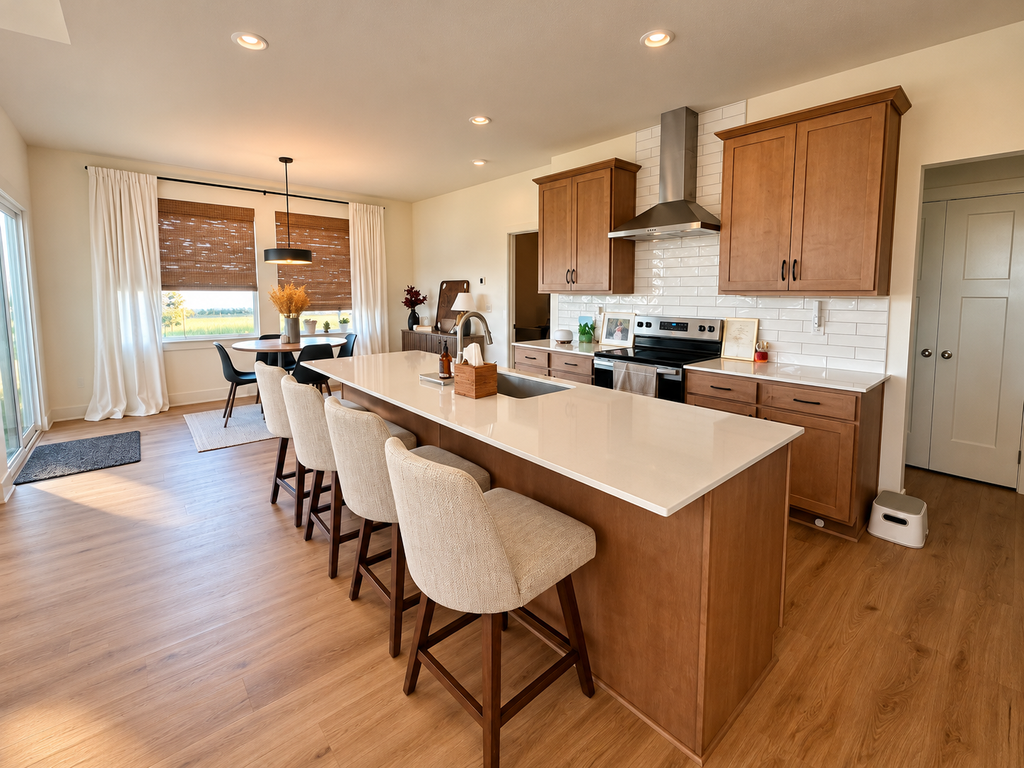
    The bar stools were surprisingly one of the hardest things to find.

    Because our kitchen island opens into the living and dining area, they couldn’t feel like an afterthought. We wanted something that worked with the rest of the furniture and helped the whole space feel connected.

    We ended up with four Armen Living Amelia beige bar stools at $225.99 each, for a total of $903.96.

    That was a meaningful part of the budget, but finding pieces that worked together was important to us.

    I think this is one of the challenges of an open floor plan that people don’t always consider. You aren’t furnishing three completely separate rooms. You’re choosing pieces that will all be visible together, so the wrong color, shape, or style can stand out more than you expect.

    Sometimes finding the right piece takes longer than you think it should. We learned that it was worth being patient instead of buying something just to get the room finished.

    The Dining Area: Keeping What We Already Loved
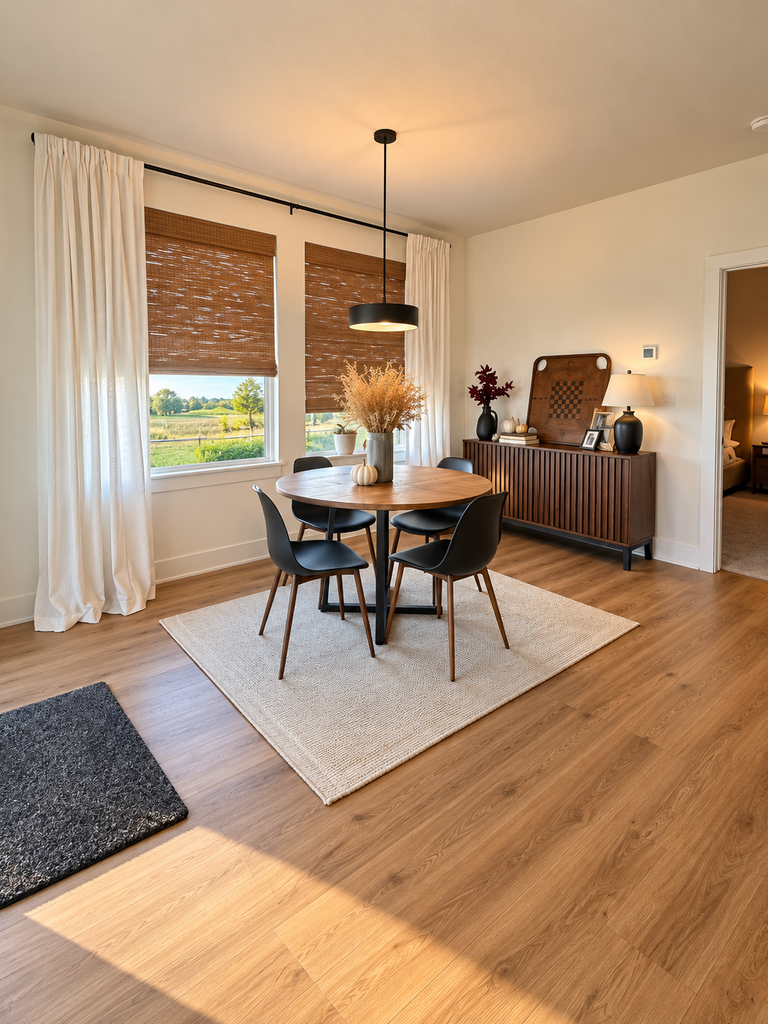
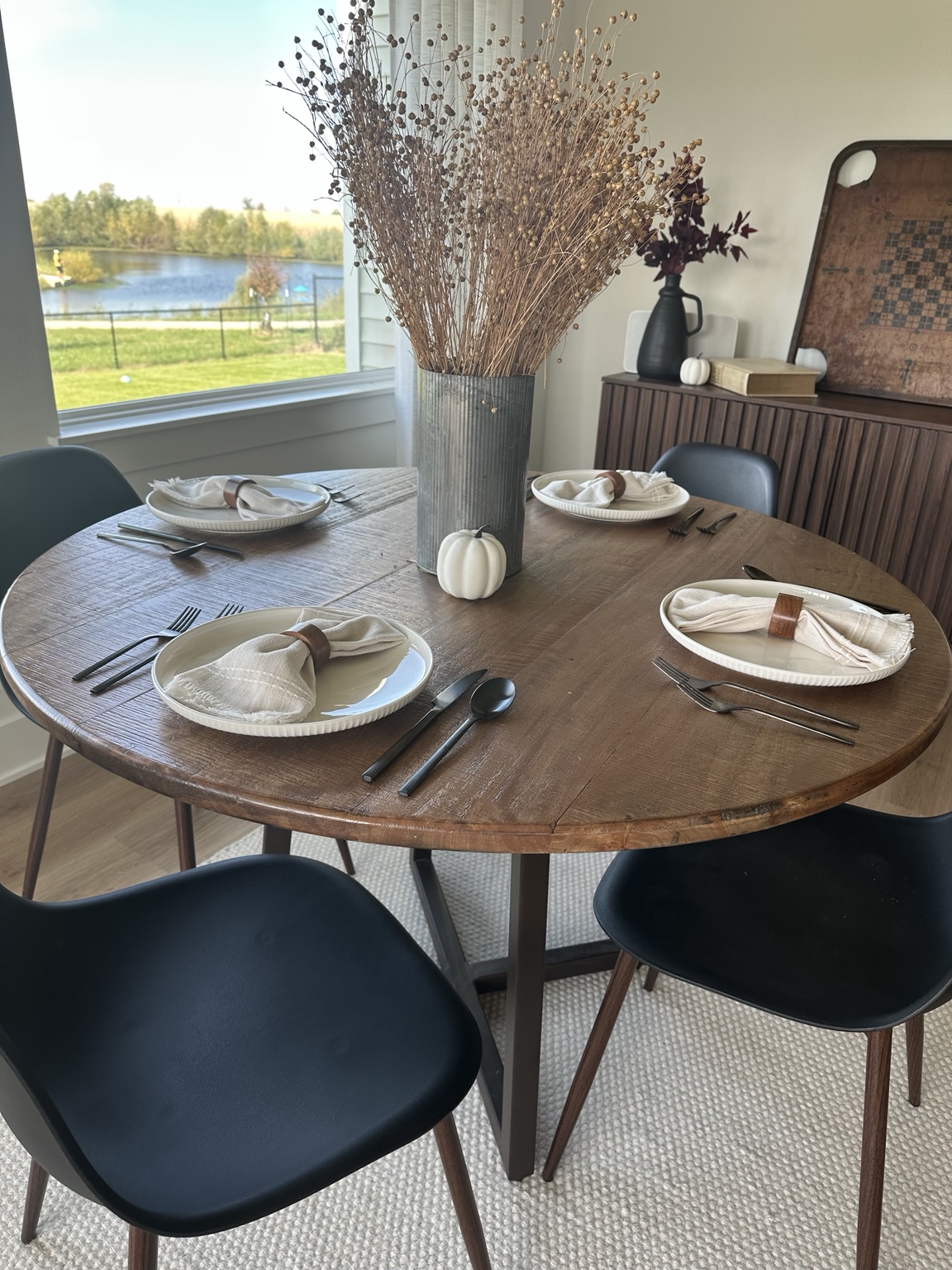
    One of the ways we avoided spending even more was by keeping our existing round dining table and chairs.

    They still worked for our family, and there was no reason to replace them simply because we were buying other new furniture.

    We did purchase a smaller rug from HomeGoods for about $120 to help define the dining area.

    We also bought a walnut dining buffet for $224. It gave us additional storage and a place to display some of the things that make our home personal.

    On top of the buffet are Brian’s family Bible, a gameboard that belonged to his grandma, and family photographs. Those aren’t things we’d replace just because a different accessory might look better in a decorating magazine.

    They have a history, and they mean something to us.

    That’s part of what I want our home to be: a space that looks pulled together but still reflects the people who live here. I don’t want it to look like a furniture showroom. I want it to feel like home.

    The Entryway: Small Details That Make a Difference
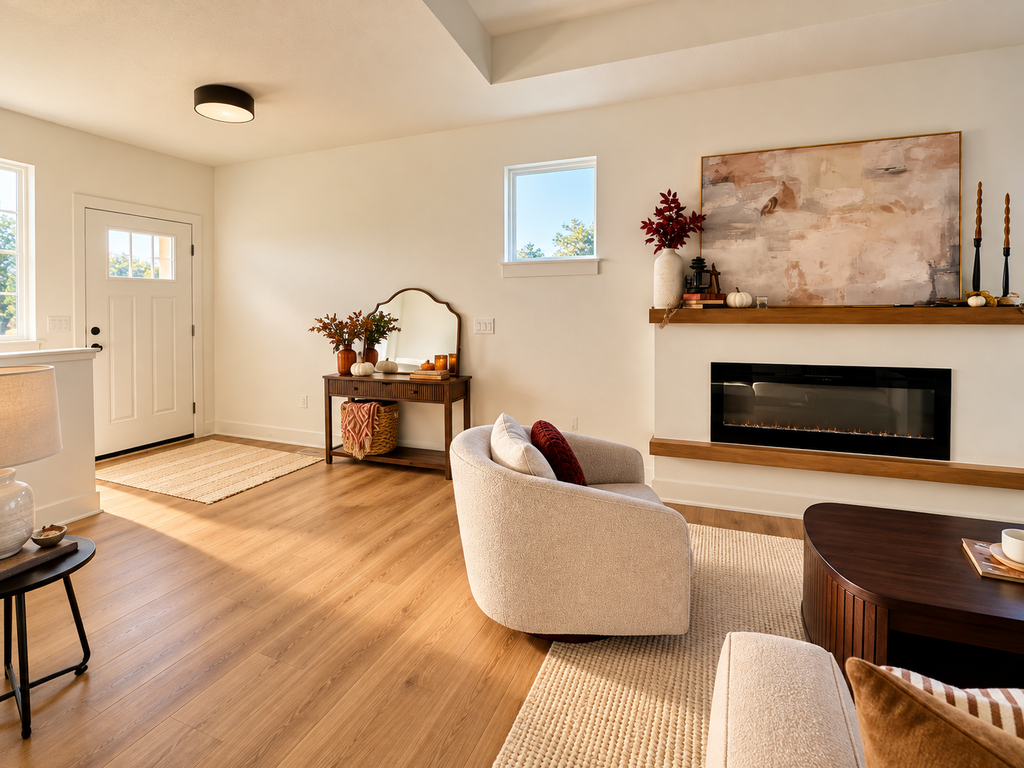
    We also furnished the entryway with two pieces.

    The entryway table from Amazon cost $133, and the Elden wood bench with a loose cushion from Target cost $240.

    These weren’t the biggest purchases on our list, but they helped make the entrance feel more finished and functional.

    It’s easy to focus on the large pieces when you’re furnishing a home, but smaller areas matter too. The entryway is one of the first places you see when you come inside, and having a place to sit or set things down can make everyday life a little easier.

    We didn’t need elaborate decor or a lot of accessories. We wanted the space to feel welcoming and useful.

    What We Actually Spent

    Here’s the breakdown of the purchases discussed in this article.

    ItemCost
    Two West Elm Imogene swivel chairs$2,115.00
    Ashley Larimer queen sleeper sofaAbout $350.00
    Ashley Korestone lift-top coffee tableAbout $500.00
    Four Armen Living Amelia bar stools$903.96
    Large living room rug from HomemakersAbout $500.00
    Smaller dining-area rug from HomeGoodsAbout $120.00
    Walnut dining buffet$224.00
    Entryway table from Amazon$133.00
    Elden wood bench from Target$240.00
    Total for listed purchasesAbout $5,085.96

    Some of these amounts are approximate, so it’s best to think of the total as roughly $5,086.

    This is the total for the purchases listed above, not necessarily every dollar spent furnishing the entire home. We also kept our existing dining table and chairs, which meant we didn’t have to buy replacements.

    Looking at the total, I can see how quickly furnishing a home adds up. But I can also see where our money went and why we made the choices we did.

    We spent more on the chairs because comfort was important to us. We benefited from a great deal on the sofa. We kept furniture that still worked. And we took our time looking for bar stools that fit the overall space.

    None of those decisions was especially complicated on its own, but together they helped us create a home that feels more intentional.

    What We Learned Along the Way

    Looking back, there are a few things I’d do again.

    1. Think about connected spaces as a whole.

    If you have an open floor plan, consider how furniture, colors, and textures will look together. You don’t have to buy everything at once, but having a general vision can help you avoid purchases that don’t work with the rest of the space.

    2. Decide where comfort matters most.

    For us, the swivel chairs were worth spending more on. We use our living room, and we wanted those chairs to be comfortable. Your priorities might be different. The important thing is knowing what matters to you before you start shopping.

    3. Let a good deal create flexibility.

    The sofa deal gave us more room in the budget for the chairs. We didn’t save money on every single item, but we considered the purchases together rather than treating each one as an isolated decision.

    4. Be patient when you’re looking for the right piece.

    The bar stools took more effort to find than we expected. It would have been easy to buy something that was simply available, but we wanted the pieces in our open space to work together. Waiting helped us stay closer to the vision we had for our home.

    5. Keep what still works—and what means something.

    Our dining table and chairs didn’t need to be replaced. The family Bible and grandma’s gameboard weren’t just decorative objects to us. Keeping useful and meaningful things helped our home feel personal instead of starting from scratch with everything.

    6. Remember that a finished home doesn’t have to be perfect.

    We wanted our home to feel warm, comfortable, and cohesive. That doesn’t mean every corner has to be styled or every purchase has to be expensive. The goal was to create a space that works for our family and feels good to live in.

    The Worth It Test

    Was spending approximately $5,086 on these furnishings worth it?

    For us, I think so.

    We made a conscious decision to budget for new furniture when we moved. We prioritized the pieces that mattered most, took advantage of a good deal, and kept items we already owned when they still worked.

    We didn’t spend the same amount on every part of the room, and we didn’t buy things just to fill space. We wanted furniture that worked together, felt comfortable, and would serve us well over time.

    Would everyone need to spend this much to create a home they love? Absolutely not. Your budget, your home, and your priorities may look completely different from ours.

    But for us, the investment was about more than the furniture itself. It was about creating a home where we could relax, spend time together, welcome family and friends, and surround ourselves with things that have meaning.

    And that, to us, is what makes it worth it.

    Our Worth It Test: 5 out of 5 stars — Absolutely worth it.

    Not because we bought the most expensive furniture, or because every purchase was perfect, but because we made choices that fit the way we wanted to live.

    That’s what we’re trying to do with Worth the Making: figure out what’s worth the time, money, and effort—and be honest about what isn’t.

    If you’re looking for ways to make your home feel more welcoming without adding to your shopping list, read our guide to making your home feel welcoming without buying more stuff.
  • What Does ‘Worth It’ Actually Mean?

    What Does ‘Worth It’ Actually Mean?

    Worth it doesn’t mean cheap. It doesn’t mean expensive. And it definitely doesn’t mean everyone else thinks it’s worth it.

    For us, worth it is a much simpler question:

    Did it make the time, money or effort we put into it feel worthwhile?

    Sometimes the answer is yes.

    Sometimes it’s absolutely not.

    And sometimes something costs more than we planned, takes longer than we expected or requires more work than we thought it would—but when we’re finished, we’re still glad we did it.

    That’s worth it, too.

    We started Worth the Making because we think there are a lot of decisions in everyday life that deserve a little more thought than “Is this the cheapest option?” or “Is this what everyone else is doing?”

    What should we make for dinner?

    Is that purchase actually worth the money?

    Is this project worth the time?

    Is a weekend trip worth the expense?

    Is hosting people at home worth the work?

    Sometimes the answer is yes. Sometimes it’s no. And sometimes the answer is it depends.

    That’s what we’re here to figure out.

    Worth It Isn’t the Same as Cheap

    To us, something is worth it when we can look back and say, “I’m glad we did that.”

    Maybe it created a memory we’ll talk about for years. Maybe it gave us a feeling we didn’t know we needed. Maybe it brought people together around a table. Maybe it was a trip we’ll still talk about ten years from now.

    And sometimes, it’s something as simple as the way a room feels when people walk through the door.

    We want our home to feel like a place where people can walk in, take their shoes off, open the refrigerator and make themselves at home. A place where nobody feels like they’re imposing or that everything has to be perfect before they arrive.

    Our home is where friends turn into family, where ordinary moments become memories that last lifetimes.

    That’s also what we want the things we bring into our home to create.

    The decorations we choose aren’t just about making a room look pretty. We want them to create a feeling—peace, calm, warmth and welcome.

    The food we make isn’t just about putting dinner on the table. It’s about what happens when people sit down together.

    The trips we take aren’t just about seeing somewhere new. They’re about the stories we’ll tell when we get home.

    And the celebrations we create aren’t about making everything look perfect. They’re about giving people a reason to gather and making the day feel special.

    That’s what worth it means to us.

    It’s not necessarily about what something costs. It’s about what it creates.

    It’s About Knowing What Matters Most

    We don’t think something is a waste of money just because it costs more than the cheapest option. And we don’t think something is automatically worth buying just because it’s beautiful, popular or on sale.

    We think it depends on what you’re trying to create.

    Take Brian’s birthday party, for example.

    We didn’t go out and buy a bunch of decorations or spend money on an elaborate theme. Not because we don’t enjoy decorating—we absolutely do. There are parties where we’ll go all out with the decorations and theme because creating that atmosphere is part of what makes the occasion special.

    But for this particular birthday, that wasn’t where we wanted to spend our money.

    We wanted good food, a relaxed gathering and time with the people we love. So we put most of our budget toward the food and kept everything else simple.

    And it worked.

    We didn’t feel like anything was missing because we hadn’t spent money on decorations. We had what we wanted: a house full of people, plenty of food and a reason to spend the day together.

    That’s the difference between simply spending less and spending intentionally.

    It’s not about asking, “How can we make this cheaper?” It’s about asking, “What matters most to us this time?”

    Sometimes the answer will be beautiful decorations. Sometimes it will be a really good meal, a weekend away or a little extra money spent to make someone feel special.

    The answer can change from one occasion to the next. That’s okay.

    The goal isn’t to spend as little as possible. It’s to spend our time, money and effort on the things that actually make a difference to the experience we want to create.

    How We Decide If Something Is Worth It

    We don’t have a complicated formula for deciding whether something is worth it. And we don’t think there is one right answer for everyone.

    What feels worthwhile to us might look completely different from what matters to someone else.

    But there are a few questions we come back to when we’re deciding where to spend our time, money and effort.

    1. What Are We Really Trying to Create?

    Before we spend money, we try to think about what we actually want from the experience.

    If we’re hosting a birthday party, do we want an elaborate theme and beautiful decorations? Or do we want a relaxed afternoon with good food and people we love?

    If we’re decorating a room, are we trying to make it look a certain way, or are we trying to create a space that feels peaceful, comfortable and welcoming?

    Those aren’t always the same thing.

    When we know what we’re trying to create, it’s easier to decide where our money and effort will make the biggest difference.

    2. Will It Make the Experience Better?

    Not everything that looks good on paper actually makes an experience better.

    A more expensive ingredient might make a meal memorable. A thoughtful decoration might completely change the feeling of a room. A carefully planned trip might give us memories we’ll talk about for years.

    But sometimes the extra expense doesn’t add much at all.

    We try to ask ourselves whether the additional cost, time or effort will genuinely improve the experience—or whether we’re doing it simply because we think we’re supposed to.

    3. How Will We Feel About It Later?

    This is one of the biggest questions for us.

    Will we remember the experience? Will it make someone feel loved or welcome? Will we be glad we made the effort?

    Not everything has to create a lifetime memory to be worthwhile. Sometimes the value is in an ordinary Tuesday dinner, a comfortable room at the end of a long day, or a slow morning spent together.

    But we want the things we put our resources into to contribute something meaningful to our lives.

    4. Is There a Better Place for That Money or Effort?

    Every decision involves a trade-off.

    Spending more on one thing usually means spending less—or giving up something else—somewhere along the way.

    For Brian’s birthday, we chose to spend most of our budget on food instead of decorations. That made sense for the kind of gathering we wanted.

    For another celebration, we might make a completely different choice.

    The point isn’t to find the cheapest option. It’s to decide what deserves our resources most in that particular moment.

    5. Would We Do It Again?

    Sometimes we don’t know whether something is worth it until we’ve tried it.

    Maybe a purchase doesn’t live up to expectations. Maybe a project takes twice as long as we planned. Maybe a trip costs more than we thought but gives us an experience we’d never trade.

    Looking back honestly helps us make better decisions the next time.

    Would we do it again? Would we spend the money again? Was the result worth the effort?

    And if the answer is no, that’s useful information, too.

    Being honest about what wasn’t worth it helps us recognize what is.

    The Worth It Test

    We don’t think every decision needs a spreadsheet, a pros-and-cons list or hours of research. Sometimes you just need to step back and ask whether something delivered what you hoped it would.

    That’s why we created The Worth It Test—a simple way to look honestly at the things we try, buy, make and experience.

    Here’s how we rate them:

    ★★★★★ Absolutely worth it

    It delivered what we hoped for, created something meaningful, or made the experience better in a way we’d gladly choose again.

    ★★★★☆ Worth it, with caveats

    We’re glad we did it, but there are a few things we’d change next time.

    ★★★☆☆ It depends

    There were good parts, but whether we’d recommend it depends on your priorities, budget or circumstances.

    ★★☆☆☆ Probably wouldn’t do it again

    The cost, effort or result didn’t quite justify the experience for us.

    ★☆☆☆☆ Save your money

    It didn’t deliver enough value to justify what we spent. We’d choose differently next time.

    These ratings aren’t about telling everyone what they should value. They’re about sharing what we learned so you can decide what’s worth it for you.

    Because what works for our family, our home and our budget might not be the right choice for yours.

    And that’s perfectly fine.

    A Good Life Is Made Up of More Than Things

    When we think about the things that matter most to us, they usually aren’t the things we spent the most money on.

    They’re the meals we shared. The people who felt comfortable enough to open our refrigerator without asking. The birthdays spent in our backyard. The quiet mornings together. The rooms that make us exhale when we walk through the door.

    Sometimes creating those moments takes money. Sometimes it takes time, planning and a little extra effort. And sometimes it means knowing what not to spend money on.

    We’re not trying to make every day extraordinary or turn every ordinary moment into a production. We’re simply trying to be more intentional about how we spend our resources and what we want our lives to feel like.

    That’s what Worth the Making is all about.

    We’ll share the recipes we make, the spaces we’re creating, the celebrations we host, the purchases we’re glad we made, the experiences we try and the things we probably wouldn’t do again.

    We’ll talk about what things cost, what they took to pull off, what we learned and whether we’d do them again.

    Not because we have everything figured out. We don’t.

    But because we believe a good life isn’t built by buying everything, doing everything or making everything look perfect.

    It’s built by choosing the things that matter to us and making room for more of them.

    Because it’s not necessarily about what something costs. It’s about what it creates.

    And that’s what makes it worth the making.

  • Two Birthdays, One Backyard

    Two Birthdays, One Backyard

    Sometimes the best birthday celebrations are the ones that don’t require much planning at all.

    For our birthdays, we decided to keep things simple: good food, our backyard, family and friends, and plenty of time to just enjoy being together.

    We didn’t need a venue. We didn’t need a complicated schedule. We didn’t need a house full of decorations.

    We just needed a place to gather.

    Why We Kept It at Home

    There’s something about celebrating at home that makes things feel a little more relaxed.

    People can come and go, kids can be themselves, nobody is watching the clock, and there’s no pressure to make the day feel like an “event.”

    For us, the backyard was exactly what we wanted. It gave everyone room to spread out, eat, talk and enjoy the day without turning the celebration into a production.

    We Started With French Toast

    The celebration actually started with just the three of us.

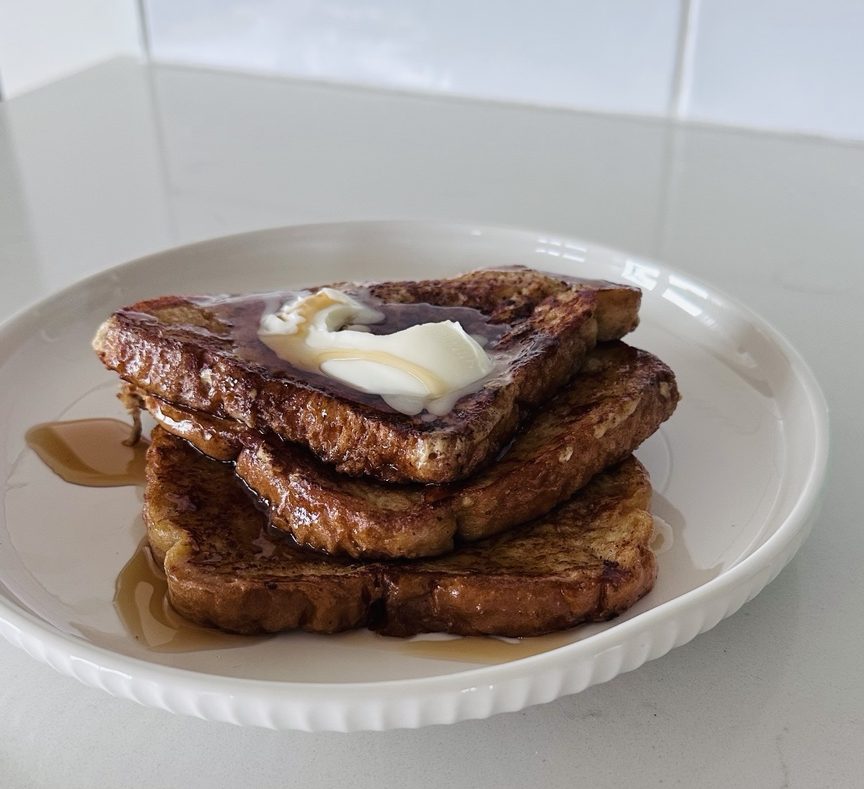
    We made French toast and enjoyed a slow birthday morning together before the backyard celebration began later in the day.

    Even on the quiet mornings when it’s just the three of us, we try to make the smallest occasions feel special. It doesn’t take much—sometimes it’s just making a favorite breakfast, sitting together a little longer and treating an ordinary morning like it’s worth celebrating.

    I think that’s part of what we love about celebrating at home. The special moments don’t have to be big to matter.

    French toast breakfast shared by a family on a quiet birthday morning

    Then We Fired Up the Grill

    Later, the backyard became the center of everything.

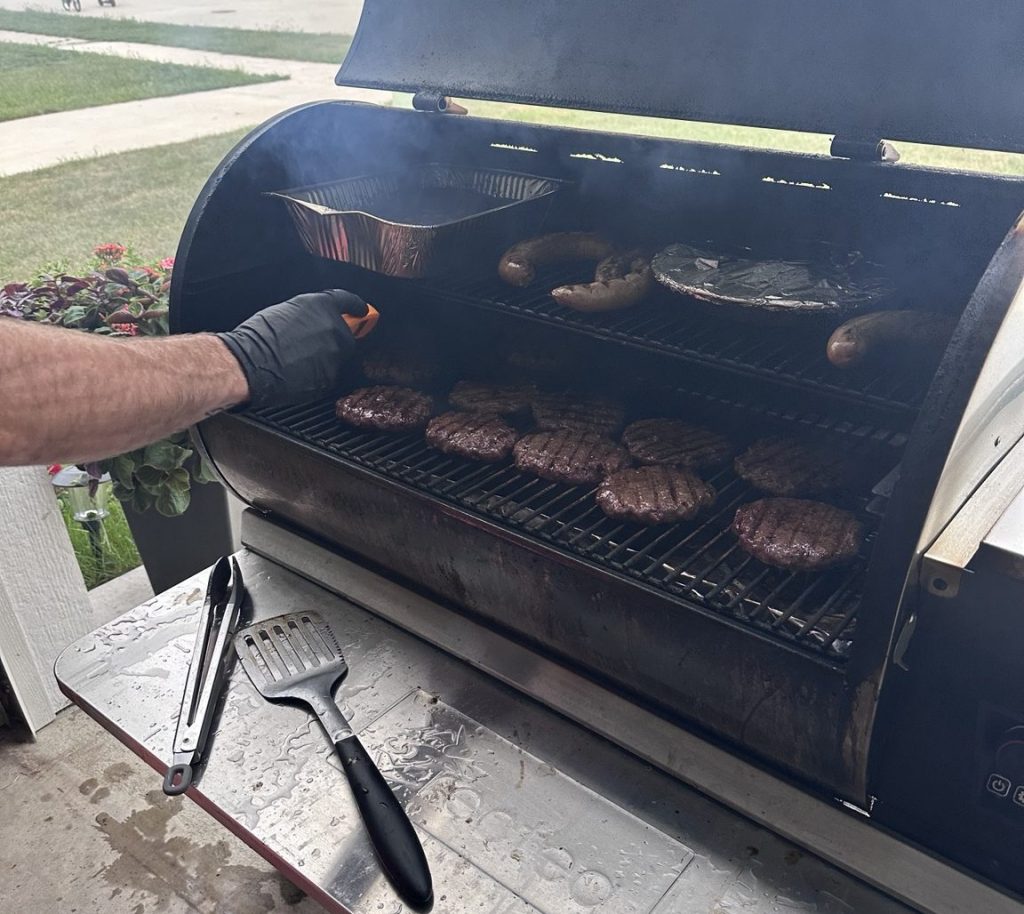
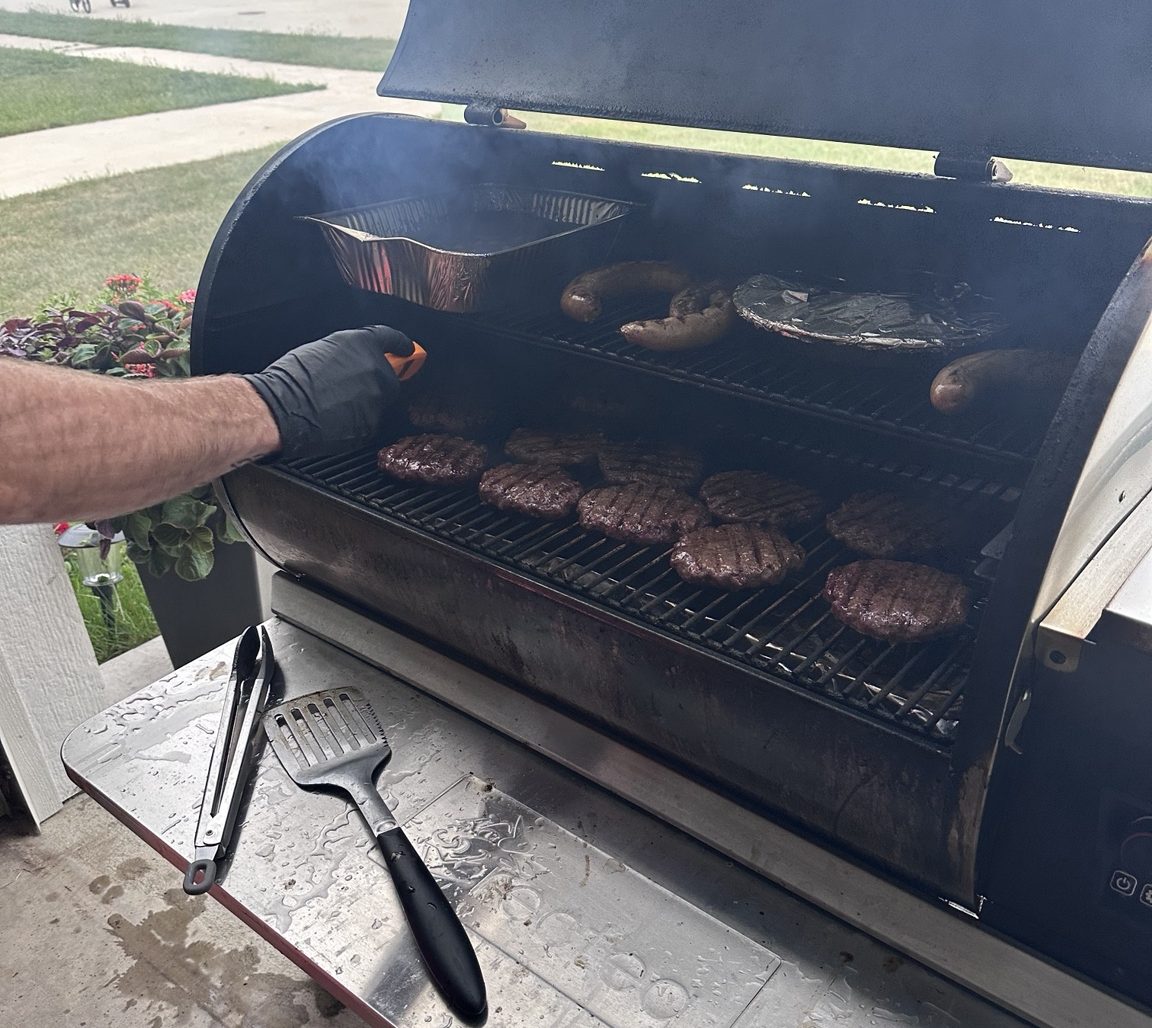
    We kept the main food simple and cooked outside on the grill. Burgers and other meats gave everyone plenty of choices without requiring us to spend the day preparing a complicated menu.

    That was one of the things that made this celebration work so well.

    We weren’t trying to impress people with a menu. We were trying to feed the people we love, with food choices they love.

    And because we were doing the cooking ourselves, we could spend our money on the things that actually mattered to us: good food and being surrounded by our favorite people.

    Backyard grilling burgers and other meats for a family birthday celebration

    And Yes, There Was Jell-O Cake

    Of course there was Jell-O cake.

    Brian’s favorite cake is Jell-O cake, so there wasn’t really a reason to choose anything else.

    It cost about $3 to make.

    We could have bought a more elaborate cake. We could have spent considerably more money on dessert.

    But why?

    When someone’s favorite cake costs a few dollars to make and makes them happy, that’s a pretty easy decision.

    Sometimes worth it isn’t about finding something better.

    Sometimes it’s about knowing when what you already love is good enough.

    We shared the full breakdown of that birthday celebration—including what we served and what we spent—in How We Fed 24 People for Around $200.

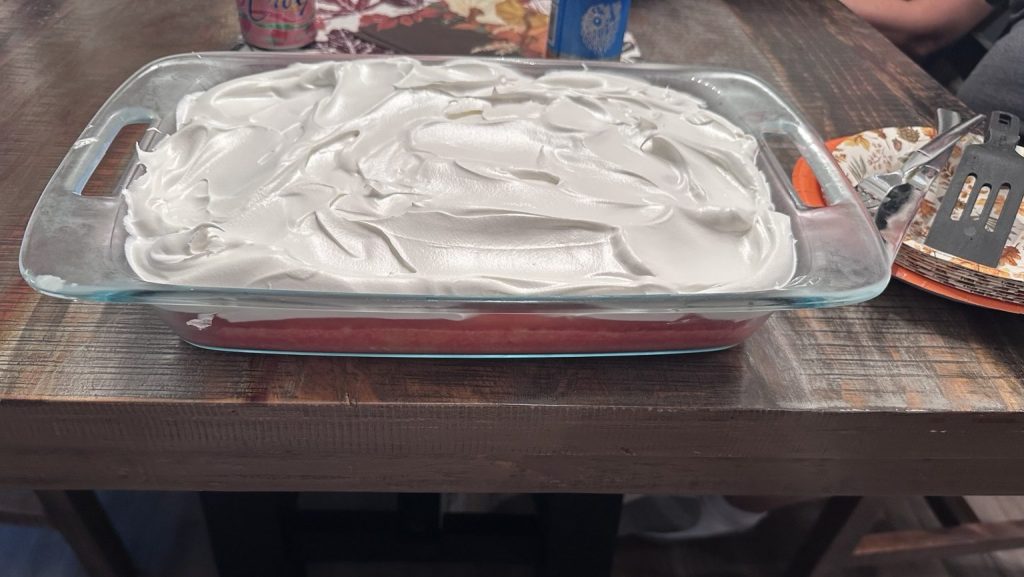
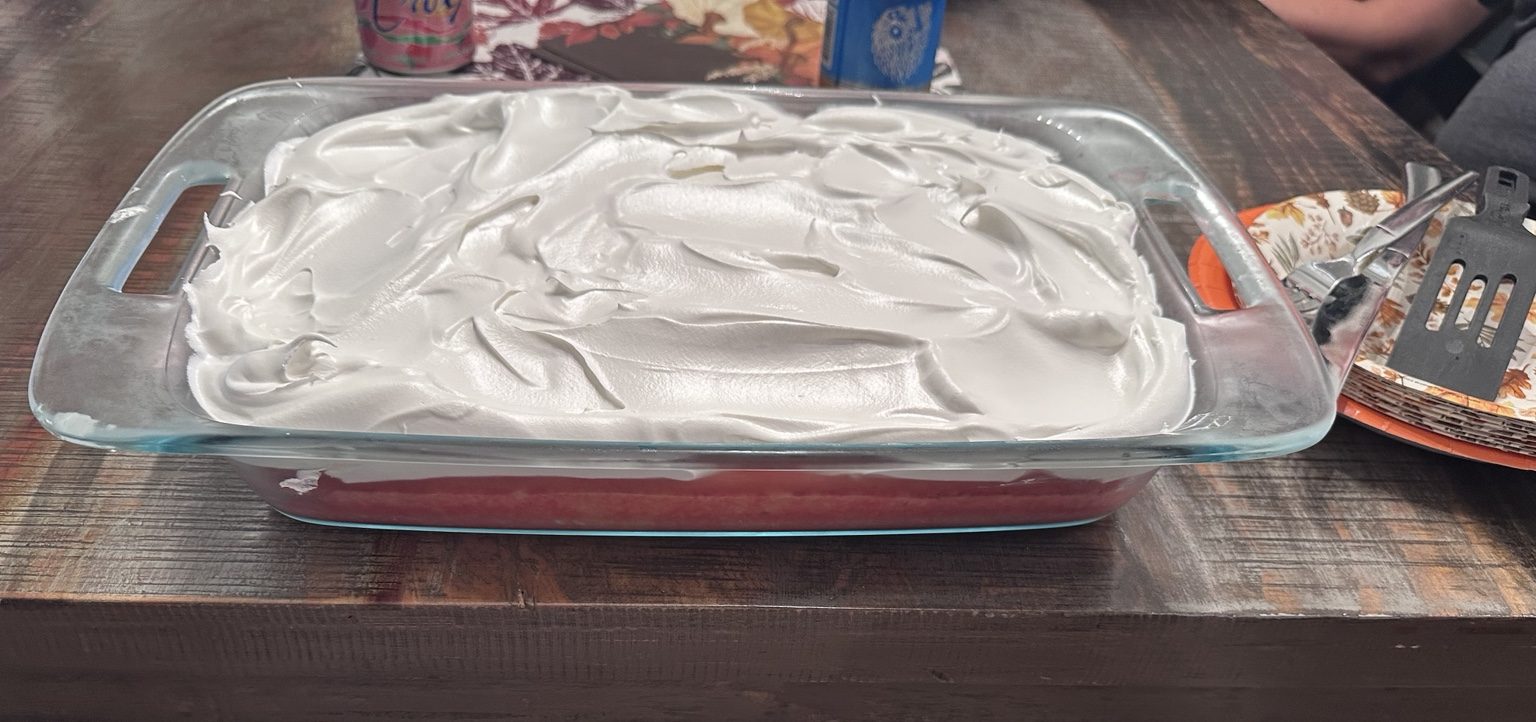
    Homemade Jell-O cake made for a family birthday celebration

    What We Actually Spent

    We weren’t trying to hit an exact number, but we did want to keep the celebration reasonable.

    Here’s approximately what we spent:

    CategoryApproximate Cost
    Meat$120
    Sides$40
    Drinks$20
    Dessert$3
    Plates & napkins$30
    Total~$213

    So our birthday celebration came in at about $213.

    That’s a little more than the $200 mark, but still a pretty reasonable amount for feeding a group of people and celebrating two birthdays at home.

    And more importantly, we knew where the money went.

    What We Skipped

    We didn’t spend money just because we thought a birthday party was supposed to have certain things.

    We didn’t need a venue.

    We didn’t need elaborate decorations.

    We didn’t need expensive entertainment.

    We didn’t need a complicated menu.

    We didn’t need to make the celebration bigger just to make it feel special.

    Instead, we used what we already had, cooked at home and focused our spending on food and the things we actually needed.

    That’s becoming one of our favorite questions around here:

    Does this actually make the experience better?

    If the answer is no, why spend the money?

    What Made It Worth It

    The answer wasn’t the food.

    It wasn’t the cake.

    It wasn’t even the backyard.

    It was the people.

    We got to spend the day together, eat good food, laugh, talk and celebrate without rushing from one place to another.

    There was no pressure to make the day perfect.

    It was just a good day with people we love.

    And that’s really what we’re learning with Worth the Making.

    A good experience doesn’t necessarily require a big budget.

    Sometimes it requires a little planning, a little effort and a willingness to enjoy what you already have.

    The Worth It Test

    ★★★★★ Absolutely worth it

    Two birthdays, a backyard and about $213?

    Absolutely.

    Would we do it again? Yes.

    Would we spend more money just to make it bigger or fancier? Probably not.

    Because when you can feed people you love, celebrate together and create a day you’ll actually remember without spending a fortune, that’s exactly what worth it looks like to us.

    Sometimes the best celebrations aren’t the ones you spend the most on. They’re the ones you actually remember.

  • How We Fed 24 People for Around $200

    How We Fed 24 People for Around $200

    Brian enjoying a slice of homemade Jell-O cake at his 51st birthday celebration

    Brian’s 51st birthday was the perfect reminder that a memorable celebration doesn’t have to be expensive.

    We hosted 24 people at home, cooked a simple meal everyone could enjoy, made a Jell-O cake, and spent around $200 on food, cake and drinks.

    Why We Celebrated at Home

    For us, home is one of the best places to celebrate. We like having people over, we like cooking for them, and there’s something about sitting around a table and sharing a meal that makes a celebration feel personal.

    Brian didn’t want a big production for his birthday. There were no games, no elaborate decorations and no complicated itinerary. He wanted good food, family and friends, and a chance to enjoy the people he loves.

    What We Served 24 People

    We kept the menu pretty straightforward. Instead of trying to create a restaurant-style spread, we focused on food that was easy to cook, easy to serve and filling enough for a crowd.

    The main course was a mix of grilled meats, along with a few simple sides. Here’s what we spent:

    • Sandwich-cut steaks — $60
    • Pork loin, sandwich cut — $12
    • Brats — $6
    • Chicken breast — $10
    • Hamburgers — $12
    • Cheesy potatoes — $20
    • Beans — $10
    • Chips — $5
    • Fruit — $15
    • Vegetables — $10

    Food total: $160

    The Jell-O Cake

    And then there was the cake.

    Brian’s favorite cake is Jell-O cake, so there really wasn’t much debate about dessert. We made a white cake, added Jell-O, and topped it with whipped cream topping. It’s inexpensive, nostalgic and, most importantly, it’s his favorite.

    The cake itself was almost an afterthought in the budget:

    • White cake mix — $1.99
    • Jell-O — $1.00
    • Eggs, oil and water — pantry staples

    Cake ingredients: $2.99

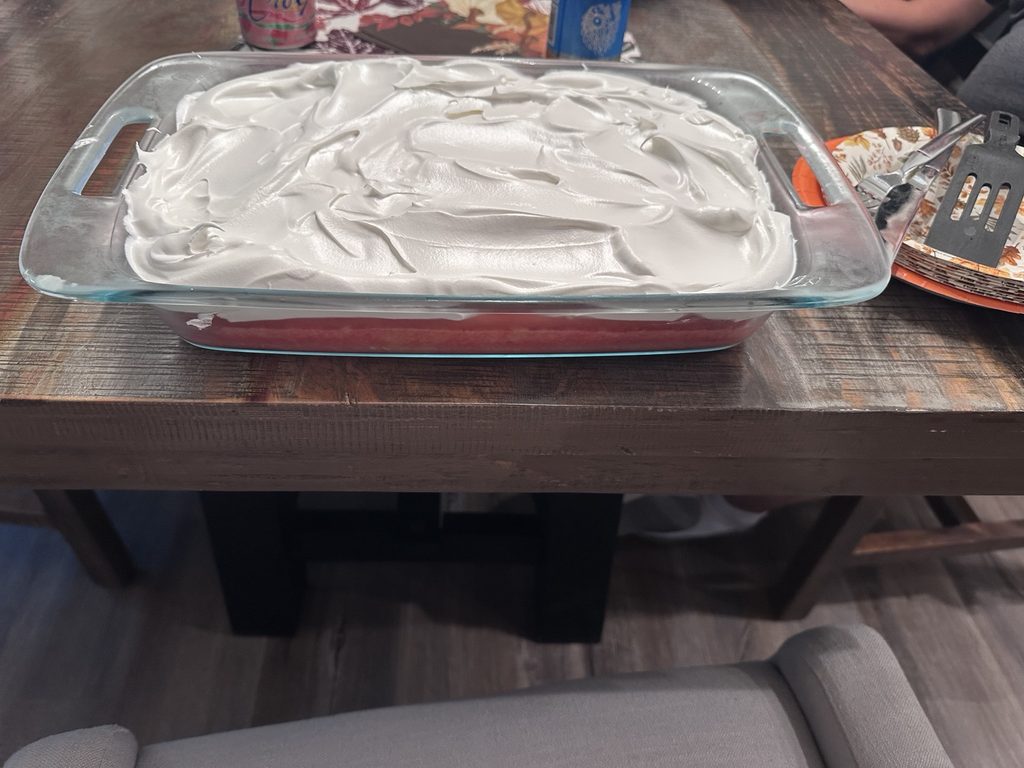
    Homemade Jell-O cake with whipped topping

    Keeping the Drinks Simple

    We didn’t overthink the drinks either. We bought two 12-packs of pop and had water available for everyone.

    Drinks: about $20

    With $160 for food, $2.99 for the cake ingredients and about $20 for drinks, our food, cake and drink total came to about $183—before the plates.

    What We Actually Spent

    We did spend a little more than $200 on the overall party. We bought a package of plates for about $20, but we used cups we already had at home and didn’t need to buy ice because our refrigerator makes it.

    That put our total party spending at just over $200.

    And that’s really the point. We weren’t trying to see how close we could get to an arbitrary $200 budget. We were trying to have a great birthday with people we love without spending money just for the sake of spending it.

    What Made It Worth It

    The best part wasn’t the food or the cake. It was having 24 people we care about gathered around our home.

    Brian didn’t want a schedule full of activities or a big production. He wanted to spend his birthday with family and friends, eat good food and enjoy the day. That’s exactly what we did.

    We didn’t need elaborate decorations, expensive entertainment or a complicated menu to make the day feel special. We just needed good food, a place to gather and people who wanted to be there.

    If you’re planning your own celebration, you can also see how we approached another birthday at home in Two Birthdays, One Backyard

    The Worth It Test

    ★★★★★ Absolutely worth it

    Feeding 24 people for around $200? Absolutely. But the real value wasn’t the price—it was creating a day Brian actually wanted and getting the people we love together in one place.

    Would we do it again? Absolutely.

    Would we spend more just to make it bigger or fancier? Probably not.

    For us, this was a good reminder that a memorable celebration doesn’t have to be expensive. It just has to be worth the making.